
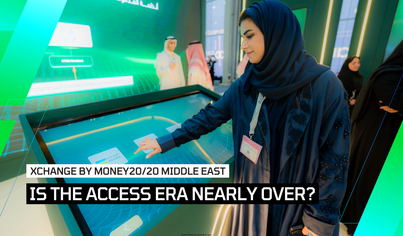
Is the access era nearly over?
Why fintech’s next phase is about participation, not adoption.
Fintech has mastered speed. Now it needs to master confidence.
Subscribe to join the Money20/20 Middle East community and receive weekly fintech insights, industry updates and expert perspectives direct to your inbox.
Fintech in the Middle East has mastered speed, scale and slick UX. But the next trillion-riyal opportunity depends more on confidence and less on code.
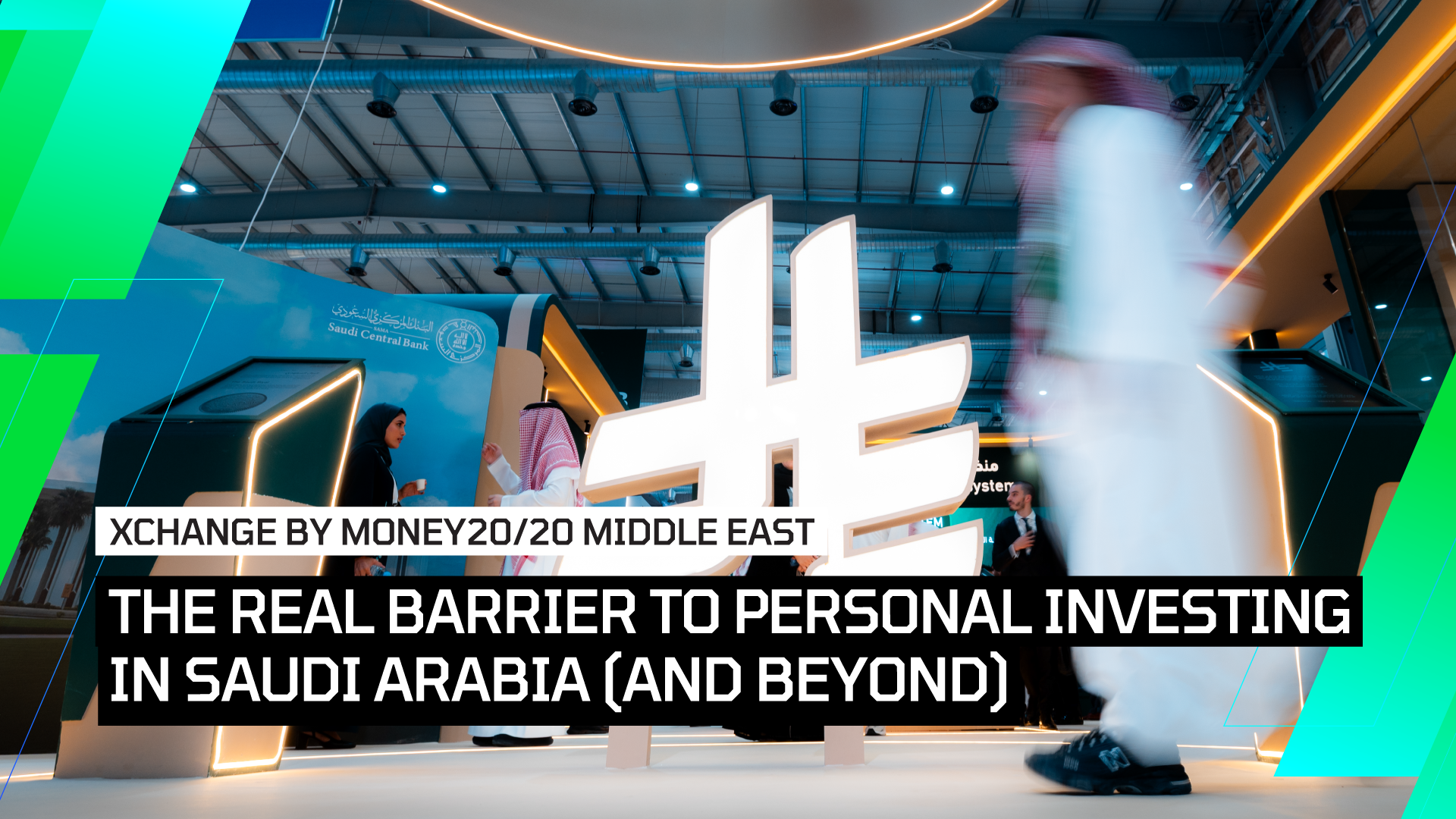
Scroll through a banking app in Saudi Arabia and the tech is flawless. Tap-to-pay habits are widely adopted, e-payments now make up nearly 80% of retail payments, and investing is just a swipe away. But when a user is about to hit ‘buy’ on a mutual fund or sukuk, many freeze.
And it’s not because the interface is bad – it’s because the feeling isn’t right. A recent study in Saudi Arabia shows that while most working adults can handle the basics of interest and inflation, only 11.3% understand risk diversification. The OECD’s global survey tells a similar story: just 34% of adults across 40 economies meet a minimum financial literacy benchmark.
In other words, we’re giving people more access to financial products than ever before – but their emotional readiness to use them hasn’t caught up.
It’s a confidence gap.
David M. Brear (Group CEO, 11:FS): “This comes up a lot when you actually sit with people, not PowerPoint. I think it’s cultural – but I also think it’s fear.
“On paper, many professionals in Saudi are doing brilliantly. Strong salaries, low or no income tax, housing often subsidised, benefits stacked. So cash builds up and savings accounts swell – balances look healthy.
“And yet…investing does lag. Here’s why:
“To change this, Saudi Arabia’s professionals need clarity. They need help! They need someone to trust, to help them understand what role money should play in their life, what cash is actually for, and when intentional risk is worth it.
“Until investing feels purposeful, cash will keep piling up neatly in savings accounts. And until investing feels meaningful, not meaningless, then property will be where most of it goes.”
What to watch and do
What emotional barriers are your customers running into? Join us at Money20/20 Middle East 2026 to meet the people driving the region’s next financial confidence revolution.
Catch you next week,
The Money20/20 Middle East Team
Why fintech’s next phase is about participation, not adoption.
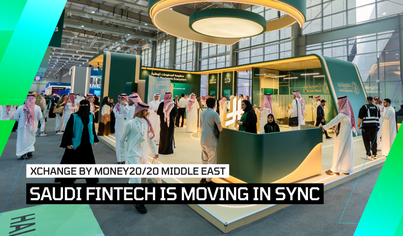
How Money20/20 Middle East is accelerating alignment across regulators, banks, and builders
Why fintech’s next phase is about participation, not adoption.
How Money20/20 Middle East is accelerating alignment across regulators, banks, and builders