
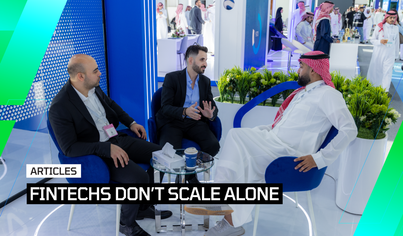
Fintechs don’t scale alone
How fintech companies scale: why ecosystems, partnerships, and investor networks matter more than product alone in driving growth and funding.
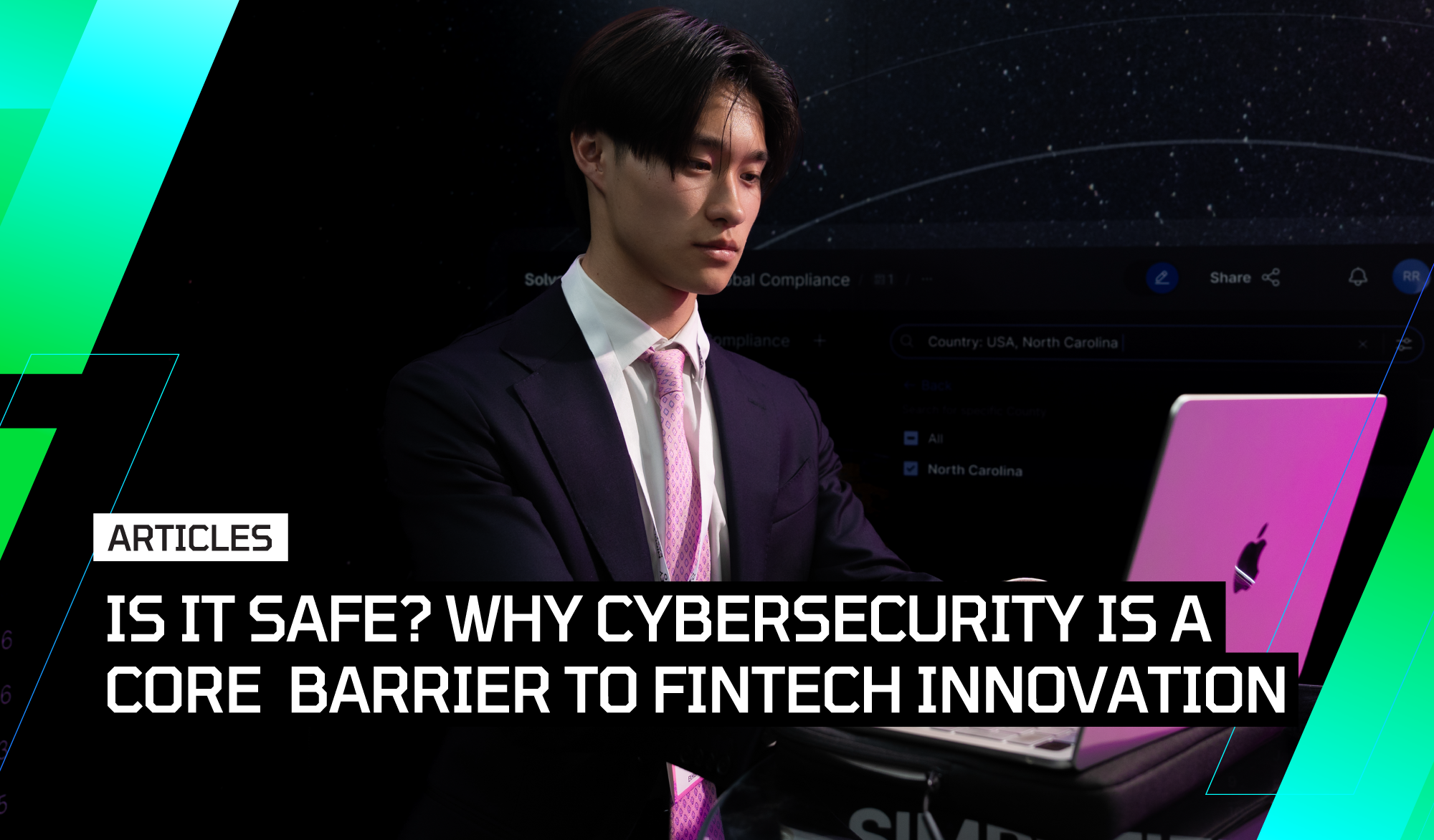
Money20/20 Middle East exists to bring the region’s financial decision-makers into one place, because innovation in finance doesn’t happen in isolation. It happens when banks, fintechs, regulators and investors align on what’s possible – and what’s safe.
Right now, one issue cuts across almost every conversation about payments, digital banking and embedded finance: cybersecurity. Not as a background risk, but as the factor that increasingly determines how fast (or how cautiously) innovation can move.
We’ve been reading new research from ACI Worldwide. It’s based on a global survey of 500 payments industry executives, including respondents from the Middle East and Africa – and it shows cybersecurity and fraud have moved ahead of more familiar obstacles like regulation and legacy technology.
Here’s how the research weighted those risks:
In an industry built on speed, security is increasingly the factor that sets the pace.
ACI’s study also shows a disconnect between perception and readiness. Payments are perceived as one of the world’s fastest-moving industries, second only to information technology.
Confidence is high: 69% of organisations describe themselves as leaders in payments. Yet fewer than half (44%) say payments innovation is a clear C-suite priority, and more than half (55%) admit they’re not making full use of the technology already available.
ACI also flags how fraud pressure rises alongside the expansion of instant payments – which changes the risk calculus for how confidently new services can be launched and scaled.
This is important because modern fintech innovation is no longer incremental. It’s infrastructure-deep: real-time payments, API ecosystems, orchestration across networks, and customer expectations shaped by instant, always-on digital experiences. As that complexity increases, tolerance for failure drops – and security scrutiny rises.
This shift isn’t happening in isolation. A 2025 data threat report from Thales Group, focused on financial services, shows how cybersecurity has become central to digital transformation decisions across financial services, not just an operational concern.
The research highlights how financial institutions are grappling with:
The implication here is that cybersecurity isn’t confined to IT teams anymore. It sits squarely with executive leadership, influencing how aggressively organisations modernise systems, adopt new technologies, and partner across ecosystems.
The message from ACI and Thales is that innovation needs to change. ACI describes security and compliance as “table stakes” in payments: the baseline requirement to stay in business. In practice, organisations that embed security into their architecture early often move faster, not slower, because they can modernise without holding their breath.
For fintechs and financial institutions across the Middle East – where regulators are advancing real-time payments, open banking and cross-border connectivity – cybersecurity is now a strategic lever that shapes capital decisions, partnership models and product ambition.
At Money20/20 Middle East, our role is to help the ecosystem align around that reality. Because right now, cybersecurity is defining the speed at which financial innovation can happen.
How fintech companies scale: why ecosystems, partnerships, and investor networks matter more than product alone in driving growth and funding.
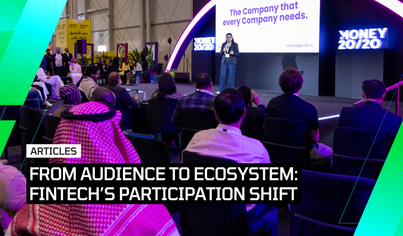
Fintech is shifting from access to participation. Find out why ecosystems (not audiences) will define the next phase of growth in MENA and beyond.
How fintech companies scale: why ecosystems, partnerships, and investor networks matter more than product alone in driving growth and funding.
Fintech is shifting from access to participation. Find out why ecosystems (not audiences) will define the next phase of growth in MENA and beyond.