
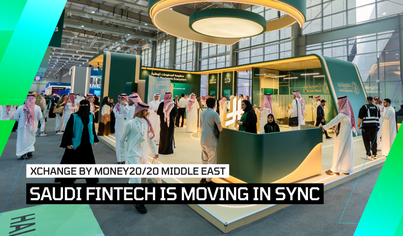
Saudi fintech is moving in sync
How Money20/20 Middle East is accelerating alignment across regulators, banks, and builders
Banks are profitable, but customers are changing – so infrastructure must keep up
Subscribe to join the Money20/20 Middle East community and receive weekly fintech insights, industry updates and expert perspectives direct to your inbox.
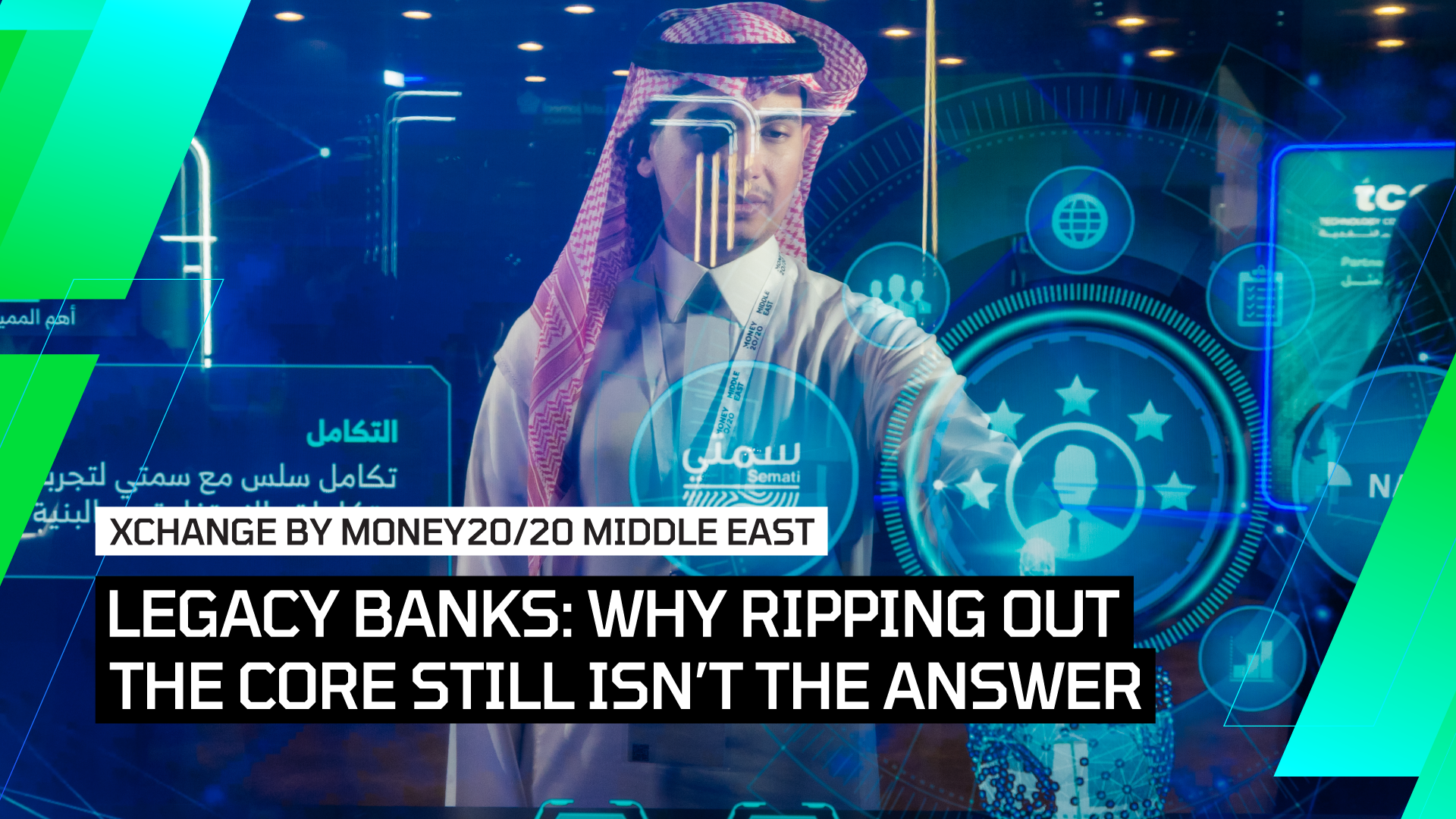
If ripping out core banking systems were the answer, more banks would have done it by now.
Across global banking, something doesn’t quite add up. Profitability is strong, balance sheets are resilient, and digital ambition is high – but still, frustration with infrastructure is boiling over.
That tension showed up repeatedly in conversations at Money20/20 Middle East 2025. Bank leaders weren’t asking whether legacy cores work, but they were asking why it’s still so hard to launch a product, integrate a partner, or respond to new customer behaviour without months of internal negotiation and technical compromise.
The pressure is coming from multiple directions at once: AI-driven distribution models, faster fintech competitors, and customers increasingly comfortable letting third parties sit between them and their bank.
According to McKinsey, failure to adapt operating and technology models to this shift could erode up to USD $170 billion of global bank profit pools over the coming decade.
In MENA, the challenge is more intense because banks are strong. IMF analysis shows GCC banks remain well capitalised and resilient – which gives incumbents time to modernise deliberately, but also more to lose if they get it wrong.
Hatem Ali Hachicha (Expert in Finance Innovation, SVP at a leading bank in the Middle East and Africa):
“Legacy banks don’t need to rebuild their core to move faster… they need to decouple it. By layering modern, API-driven capabilities and partnering with fintechs at the edge, banks can accelerate decision-making and innovation while keeping risk, resilience, and trust anchored in the core.”
(Connect with Hatem on LinkedIn)
At Money20/20 Middle East, we offer a platform for exactly this kind of infrastructure debate – bringing together banks, fintechs, and regulators to share real-world knowledge.
What’s your take: replace, layer, or rethink entirely?
Join the Xchange. Open this newsletter on LinkedIn and tell us in the comments.
Catch you next week,
The Money20/20 Middle East Team
How Money20/20 Middle East is accelerating alignment across regulators, banks, and builders
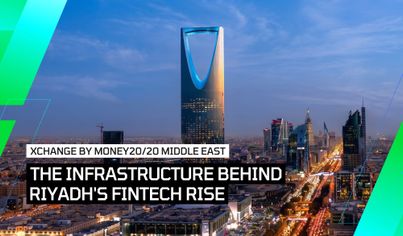
Inside KAFD and the ecosystem forming around Saudi fintech.
How Money20/20 Middle East is accelerating alignment across regulators, banks, and builders
Inside KAFD and the ecosystem forming around Saudi fintech.