
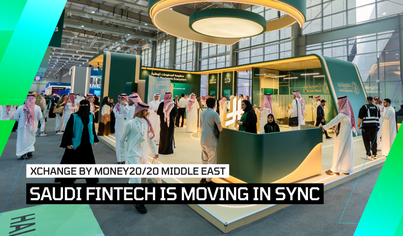
Saudi fintech is moving in sync
How Money20/20 Middle East is accelerating alignment across regulators, banks, and builders
How the Middle East is rebuilding remittance networks with new infrastructure
Subscribe to join the Money20/20 Middle East community and receive weekly fintech insights, industry updates and expert perspectives direct to your inbox.
Long before decentralised finance had a name, migrant workers built it – one payday at a time.
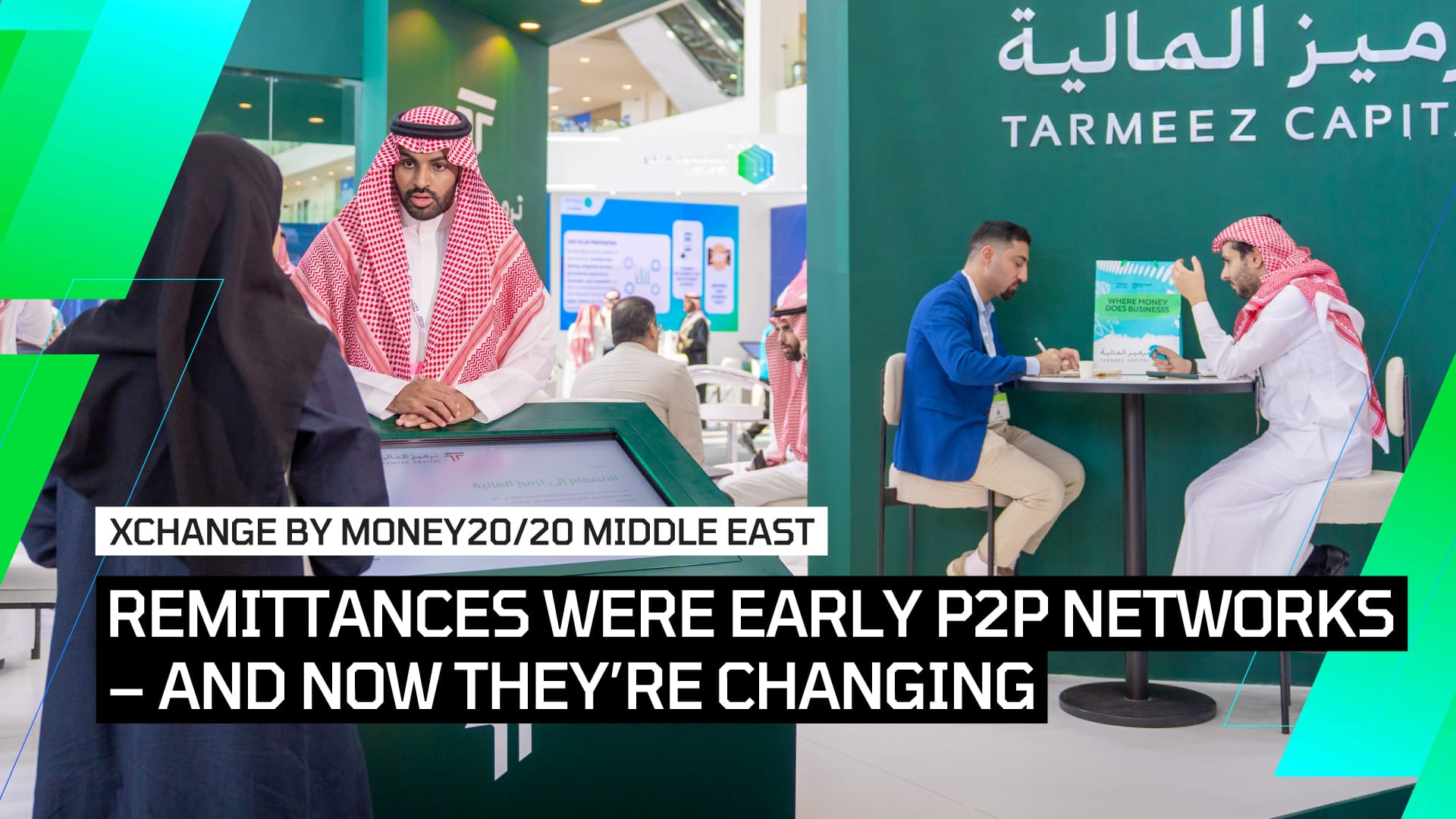
Every few seconds, somewhere in the GCC, a worker taps send on a mobile app. A few minutes later, a family in Kerala, Cairo, or Kampala receives the funds. People moving value, peer to peer.
That’s decentralised finance in its purest form; and now, regulatory innovators and fintech leaders are exploring ways to use the infrastructure of DeFi to streamline remittances.
Remittances to low- and middle-income countries reached USD $656 billion in 2023, according to the World Bank; climbing past $685 billion in 2024. But the average transfer still costs 6.4% in fees – that’s roughly $40 billion in friction every year.
Nowhere feels that tension more than the GCC. The UAE and Saudi Arabia together send more than $130 billion a year abroad (Thunes, 2025). These corridors (to South Asia, East Africa, and the Levant) are the perfect proving ground for a new, inclusive, programmable form of money movement.
No hype. Just better rails.
Mark Lenhard (CEO, Zepz):
“Cross-border communities have been navigating decentralised finance long before we gave it a name. Remittances succeed because they absorb complexity and match how people transact locally. The lesson for new infrastructure is that adoption depends on serving real people in communities, not just building faster rails.”
We’re always looking for voices to share in this newsletter. If remittances were the original P2P, what’s the next piece of financial plumbing ripe for reinvention?
Open this newsletter on LinkedIn and share your perspective in the comments.
Catch you next week,
The Money20/20 Middle East Team
How Money20/20 Middle East is accelerating alignment across regulators, banks, and builders
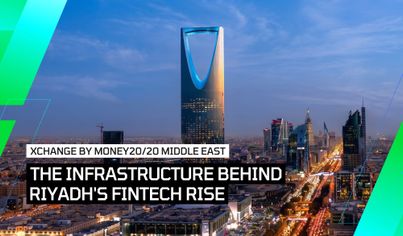
Inside KAFD and the ecosystem forming around Saudi fintech.
How Money20/20 Middle East is accelerating alignment across regulators, banks, and builders
Inside KAFD and the ecosystem forming around Saudi fintech.