
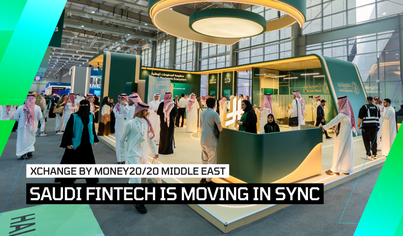
Saudi fintech is moving in sync
How Money20/20 Middle East is accelerating alignment across regulators, banks, and builders
Western Union, Stripe, Visa, Mastercard – this isn’t a pilot phase anymore.
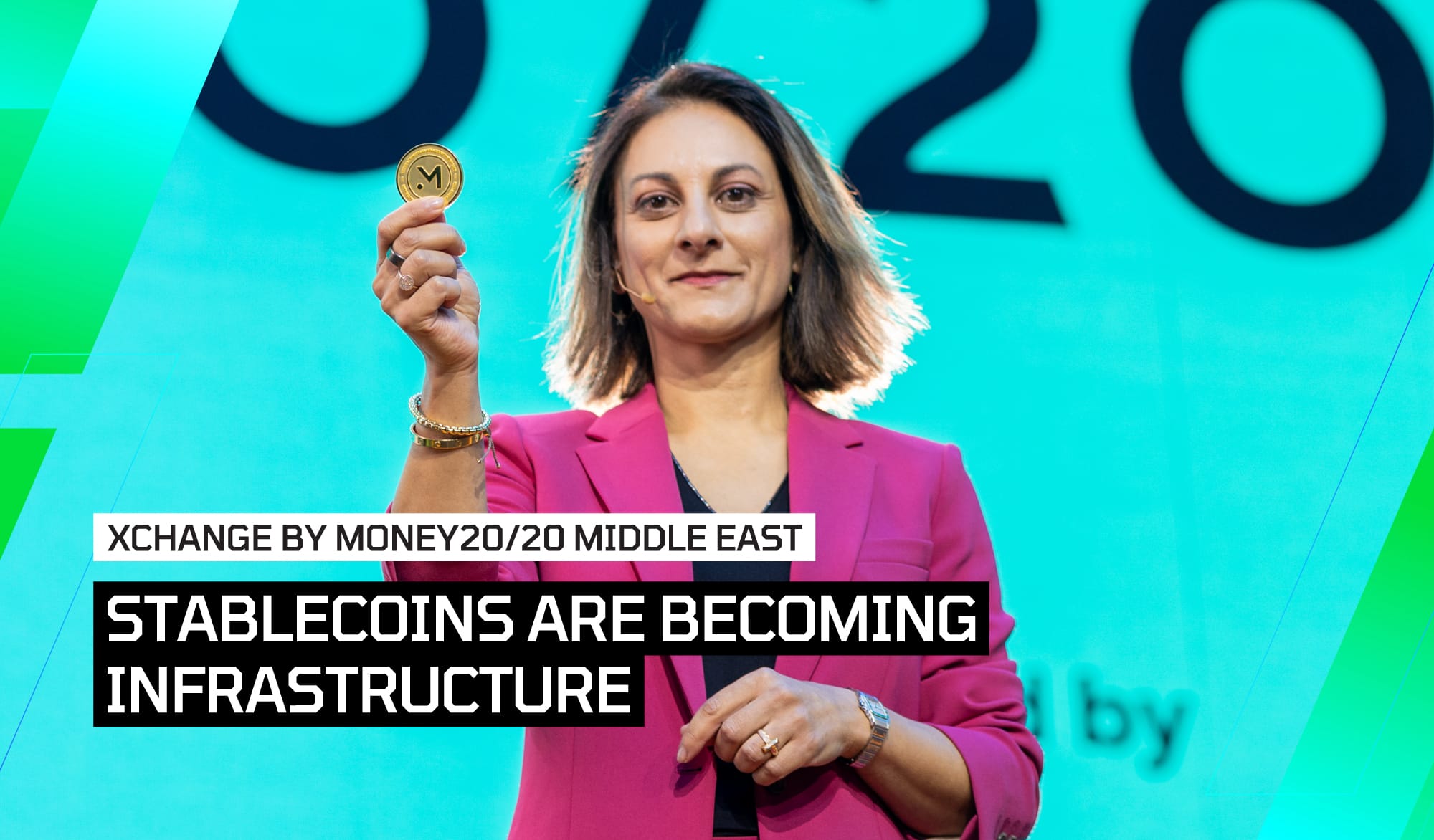
Stablecoins are going to become the settlement layer underneath payments.
They won’t do it by replacing banks or toppling card networks, but by rewiring how money moves behind the scenes. If that hypothesis is right, we’re watching a structural migration of infrastructure.
A new report from Dfns and Boston Consulting Group argues that much of financial infrastructure still rests on systems designed in the 1970s and 1980s – upgraded, but not rebuilt for a 24/7 digital economy.
The report includes this powerful example: a USD $1,000 cross-border remittance results in roughly $956 received – around 4.4% friction embedded in the system. On-chain wallet-to-wallet transfers, they illustrate, can settle in seconds with sub-$0.10 fees.
Meanwhile, stablecoins have grown from roughly $30 billion in 2020 to around $300 billion at time of writing, with projections reaching $3 trillion by 2030.
Whether you accept every projection or not, one thing is clear: capital is forming on-chain.
Jeremy Allaire (CEO at Circle): “The web was about the exchange of information. This is about the exchange of value. This is about transforming the way the economic system works.” (source: this interview with MarketWatch)
Jorn Lambert (Chief Product Officer at Mastercard): “To realise its potential, we need to make it as easy for merchants to receive stablecoin payments and for consumers to use them. We believe in the potential of stablecoins to streamline payments and commerce across the value chain.” (source: this press release from Mastercard)
Are stablecoins becoming infrastructure – or are we overestimating the shift?
Open this newsletter on LinkedIn and share your perspective in the comments. We read every response.
And if this is your brief, we’ll see you at Money20/20 Middle East –where the rails conversation is only just getting interesting.
How Money20/20 Middle East is accelerating alignment across regulators, banks, and builders
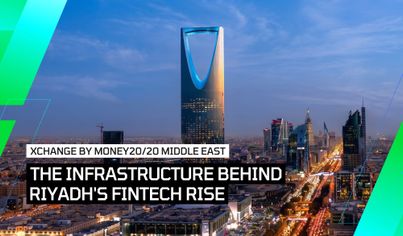
Inside KAFD and the ecosystem forming around Saudi fintech.
How Money20/20 Middle East is accelerating alignment across regulators, banks, and builders
Inside KAFD and the ecosystem forming around Saudi fintech.