
From audience to ecosystem: fintech’s participation shift
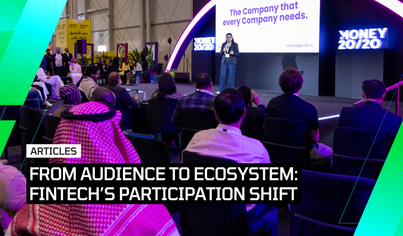
Fintech is shifting from access to participation. Find out why ecosystems (not audiences) will define the next phase of growth in MENA and beyond.
If you build something exceptional, scale will follow. Or at least, that’s what we all wish was the case; but the latest evidence suggests that a great product does not equal market success.
Across high-growth markets, the fintechs gaining traction are the ones embedding themselves in ecosystems that give them access to regulators, investors, banks and industry networks. That proximity is proving to be a powerful accelerant.
A 2025 update from McKinsey on MENA fintech highlights just how quickly the sector is expanding – with more than 1,000 fintech companies in the region, $1.9 billion raised across 237 deals in 2023-2024, and projected annual revenue growth of around 35% up to 2028.
It’s worth noting that this growth isn’t happening in isolation. It’s being enabled by a range of forces – including:
The UAE offers a clear example of how this plays out in practice. According to a report by Emirates NBD and PwC, fintech startups in the country raised around $265 million in 2024 (roughly one-third of total startup funding), supported by progressive regulation, public-private partnerships and active bank participation.
The same report highlights the role of ecosystem infrastructure: DIFC now hosts more than 800 fintech and innovation firms, while platforms like FinTech Hive actively connect startups with banks and investors.
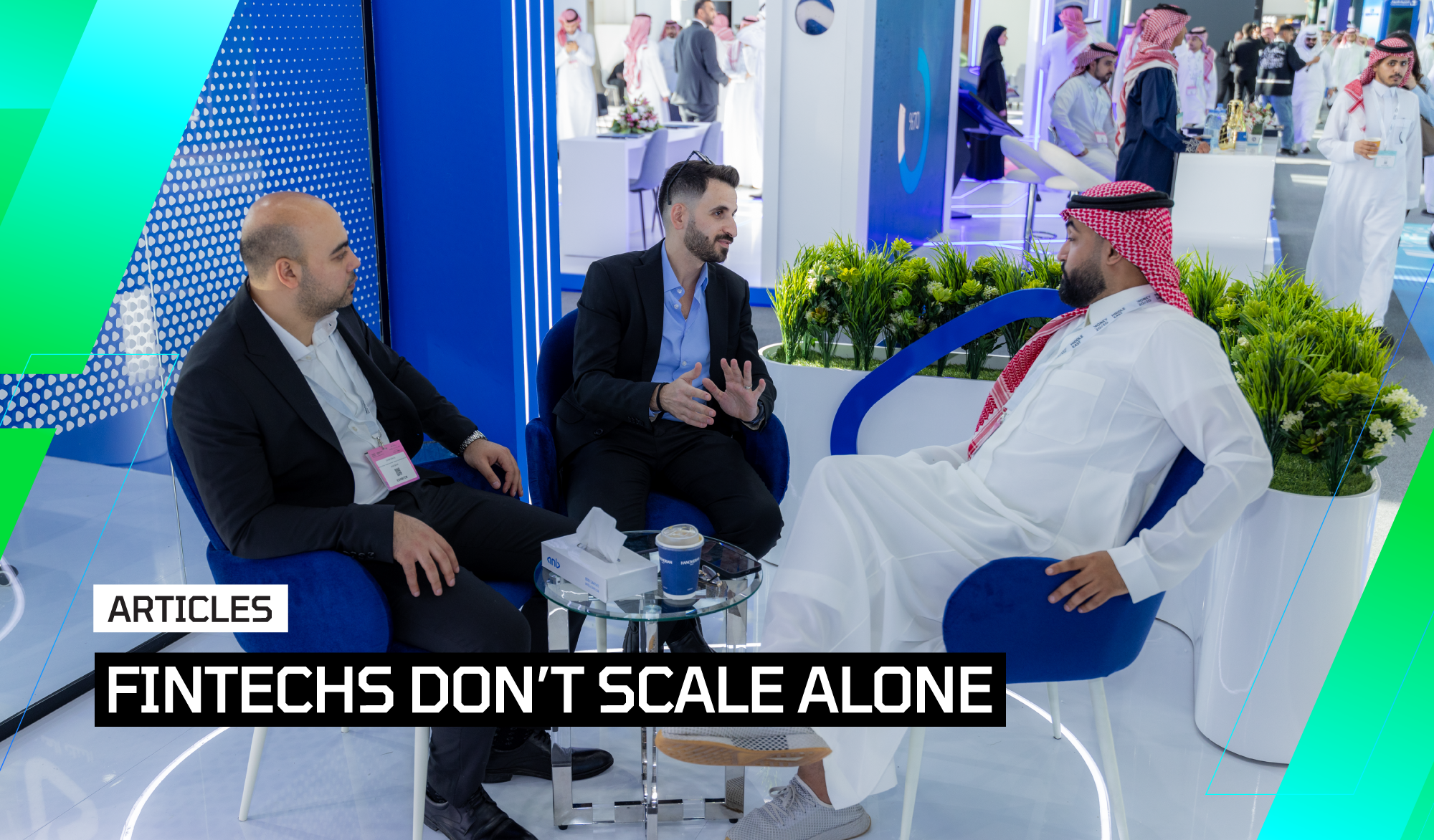
The job for founders is to embed themselves in a network. Entering a market is one thing, but actually becoming part of it is something else.
The 2025 Fintech Compass MENA report from Enterprise Ireland and Findexable lays this out: expanding into markets like the UAE or Saudi Arabia “isn’t just about having a great product – it’s about executing the right strategy”.
That strategy consistently includes:
It’s a recalibration – from ‘go to market’ to ‘grow into market’.
Because in financial services, to gain access you need relationships with the right regulatory bodies and institutions to smooth your way.
The strongest fintech ecosystems create repeated points of connection.
The Fintech Compass report points to organisations like the MENA Fintech Association as key connectors, bringing together startups, investors and policymakers – and notes that plugging into these networks is “not just an option – it’s a necessity”.
Far more than just reducing friction, these structures increase visibility, credibility, and speed.
For fintech founders, the implication is that while product is still (of course) important, growth is increasingly driven by how well you connect.
The most successful fintechs are scaling as part of ecosystems that amplify their reach and accelerate their trajectory.
Because in fintech today, you don’t scale alone.
Fintech is shifting from access to participation. Find out why ecosystems (not audiences) will define the next phase of growth in MENA and beyond.

Find out how Money20/20 Middle East is supporting Saudi Arabia’s fintech growth, accelerating Vision 2030 ambitions and aligning regulators, banks, startups and investors.
Fintech is shifting from access to participation. Find out why ecosystems (not audiences) will define the next phase of growth in MENA and beyond.
Find out how Money20/20 Middle East is supporting Saudi Arabia’s fintech growth, accelerating Vision 2030 ambitions and aligning regulators, banks, startups and investors.